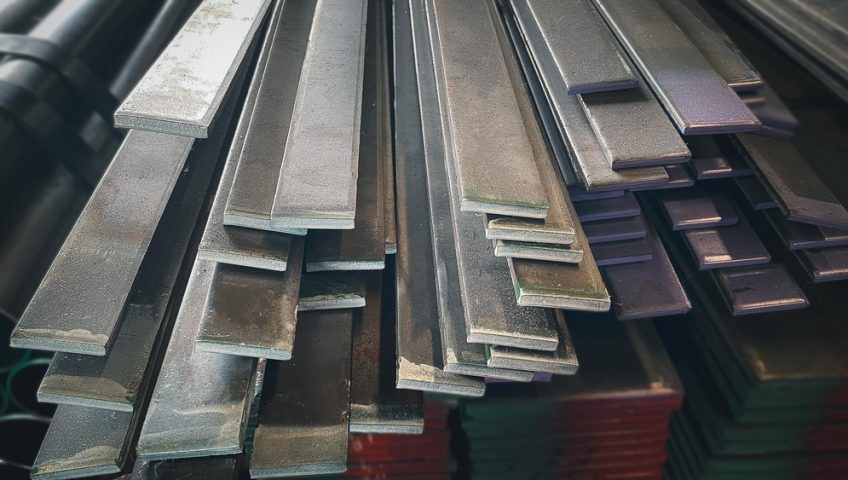
carbon steel tubes squared

The Difference Between Carbon Steel & Stainless Steel

When choosing a metal for a project, carbon steel and stainless steel are two of the most common options. While they may look similar at first, they behave very differently in terms of strength, corrosion resistance, cost, and long-term use. Knowing how they compare makes it easier to pick the right material for the job. Here is everything you need to know about carbon steel and stainless steel.

What Is Carbon Steel?

Carbon steel is primarily composed of iron and carbon, with only small amounts of other elements. The higher the carbon content, the stronger and harder the steel becomes, which is why it is commonly used in tools, automotive parts, construction materials, and industrial equipment.

Key Characteristics of Carbon Steel

  • Strength: Excellent durability and hardness
  • Cost-Effective: More affordable due to simpler composition
  • Workability: Easy to machine, weld, and form
  • Corrosion Risk: Prone to rust unless coated or maintained

What Is Stainless Steel?

Stainless steel gets its corrosion resistance from chromium, which helps protect the metal from rust and wear. Many stainless steel grades also include elements such as nickel or molybdenum, which improve strength, heat resistance, and overall durability, depending on how the material is intended to be used.

Key Characteristics of Stainless Steel

  • Corrosion Resistance: Ideal for moisture, chemicals, and extreme temperatures
  • Aesthetic Appeal: Smooth, polished finish
  • Low Maintenance: No protective coatings needed
  • Higher Cost: More expensive due to alloying elements

Carbon Steel vs. Stainless Steel: How They Compare

Strength and Durability

Carbon steel is typically stronger and harder, making it ideal for heavy-duty applications, while stainless steel offers durability with built-in corrosion resistance.

Corrosion Resistance

Stainless steel outperforms carbon steel in resisting rust and degradation, making it the preferred choice for environments exposed to water or chemicals.

Appearance

Stainless steel retains a bright, polished look that stays attractive with minimal upkeep. Carbon steel, on the other hand, has a darker appearance and will rust without proper treatment or protective coatings.

Cost

Carbon steel is typically more affordable, making it a great choice for projects where strength matters but corrosion resistance is not a major concern.

Maintenance

Stainless steel requires very little upkeep to stay in good condition, while carbon steel often needs protective coatings or regular maintenance to prevent rust over time.

Which Material Should You Choose?

Choose carbon steel when strength, budget, and durability are your main priorities. Choose stainless steel when corrosion resistance, hygiene, or a clean, polished appearance is essential. Both materials offer excellent performance when selected for the right application.

Contact Markham Metals for Carbon Steel & Stainless Steel Delivery

Markham Metals is New England’s most trusted metal fabrication destination! We specialize in custom parts, shapes, patterns, and more to meet every specification and requirement. Contact us today to request a quote for our products, metal services, and delivery services by calling 978-658-1121 orfilling out our contact form.
stainless steel plates

Which Metals Are Corrosion-Resistant?

Corrosion costs the global economy over $2.5 trillion every year. Companies looking to save money must choose the right metal for continual operation. In harsh environments such as coastal areas, chemical plants, or urban areas with high pollution levels, corrosion-resistant metals help maintain structural integrity, reduce maintenance, and extend service life by decades. Based on ASTM International standards and real-world data, the most reliable metals share one clear feature: they form stable, self-healing oxide layers that prevent further oxidation. This article lists some of the best non-corrosive metals with proven durability.

5 Corrosion-Resistant Metals You Need to Know

The primary metals known for their high corrosion resistance are those that form passivity, in which a stable, non-reactive oxide layer forms on the surface. This layer prevents further oxidation. Hence, choosing the best metal involves matching the environment to the alloy’s Pitting Resistance Equivalent Number (PREN) and real-world exposure data. Here are the most notable examples:

Stainless Steel

Stainless steel is the most widely recognized corrosion-resistant metal due to its chromium content of at least 10.5%. Chromium reacts with oxygen to form a thin, strong layer of chromium oxide that acts as a protective barrier. Grades 304 and 316 stainless steels are the most commonly used in many industries. However, Grade 316 offers better resistance, especially in chloride-rich (marine) environments, due to its molybdenum content.

Aluminum (Al)

Aluminum quickly forms a thin, natural layer of aluminum oxide when exposed to air. This layer is highly resistant to many corrosive substances. Many aluminum compounds undergo anodization, an electrochemical process that thickens and improves the natural oxide layer, enhancing its wear and corrosion resistance.

Titanium (Ti)

Titanium is well-known for its exceptional resistance to corrosion, particularly against seawater, acids, and chlorine solutions. It often surpasses stainless steel in many harsh conditions. This resistance stems from a highly stable, protective titanium dioxide layer that forms immediately upon exposure to oxygen.

Copper (Cu) and Its Alloys

Copper has good corrosion resistance in non-oxidizing acids and air. This resistance primarily stems from the patina that forms over time, which protects the underlying metal. Bronze (copper-tin) and brass (copper-zinc) are alloys that usually retain good corrosion resistance, making them suitable for plumbing and marine hardware.

Nickel (Ni) and High-Nickel Alloys

Pure nickel resists corrosive substances well, especially alkalis. However, its alloys show even greater advantages:

  • Monel: A nickel-copper alloy that is highly resistant to rapid flow rates in seawater and various acids.
  • Inconel and Hastelloy: These complex, high-performance, nickel-based superalloys exhibit exceptional resistance to stress corrosion cracking, high temperatures, and harsh chemical environments.

Contact Markham Metals for Quick Metal Delivery!

You can count on Markham Metals in Wilmington, MA, for all your metal delivery needs to help speed up your next project! We offer a wide variety of metal products specifically created and cut by our metal fabrication experts. Contact us today to get started by calling 978-658-1121 or by filling out our contact form. 

aluminum being created and cut

What is Aluminum Used For?

Aluminum is a lightweight metal that is resistant to corrosion and has numerous applications. Its properties allow it to play a critical role in numerous industries, including transportation and packaging. With an understanding of its uses, it is easy to see how this flexible material affects our modern world by creating advantages in everyday products.


Driving Efficiency — Aluminum in Transportation

Aluminum is an essential material when it comes to automotives and the aerospace industries. For instance, car manufacturers use it to reduce the weight of their vehicles whilst improving their fuel efficiency. 

On the other hand, aircraft rely on aluminum to strengthen their structure without adding additional weight. Likewise, railcars and marine vessels also benefit from the material’s corrosion resistance, guaranteeing long-lasting performance even in challenging environments.


Building Better Structures

Aluminum is valued for its strength-to-weight ratio and durability, which is also the reason behind its use in construction. From window frames to roofing and siding, manufacturers use this material to resist weathering, whereas skyscrapers and bridges use aluminum to reduce structural load.

Furthermore, with the implementation of aluminum, not only does the construction industry lower its costs, but it also contributes to more sustainable, long-lasting architectural designs that withstand environmental stress.


Protecting and Preserving with Packaging

Aluminum is a favorite material for packaging food, beverages, and pharmaceuticals. Cans and foil create barriers against light, oxygen, and moisture, which help keep food and drinks fresher for longer and preserve their flavors. Blister packs protect medications from contamination, thus illustrating aluminum’s ability to blend practicality and protection in easy-to-use, everyday consumer products.


Sleek and Functional Electronics

Aluminum is increasingly used in modern electronics. The chassis of a smartphone, laptop, or tablet feels durable and looks nice, while the heat sink relies on aluminum’s thermal conductivity to manage the device’s temperature. Aesthetics and functionality make aluminum a staple in tech production.


Everyday Household Applications

Cookware, utensils, and furniture also benefit from aluminum. Due to its lightweight and corrosion-resistant characteristics, working with pots and pans becomes much easier, while also extending their lifespan. 

Similarly, furniture designers utilize it for its strength and sleek appearance, which enables them to create their items as intriguing and modern while still being durable and practical. 


Powering Industrial and Electrical Uses

Aluminum’s extensive use in wiring, motors, and appliances is well-established. Aluminum’s inherent conductive, strong, and machinable properties make it a cost-effective alternative to copper in electrical systems. Aluminum alloys can provide industrial equipment with excellent wear properties, enabling weight reduction that enhances efficiency in high-duty-cycle applications.


Contact Markham Metals for a Free Quote on Aluminum Products

Markham Metals maintains an extensive inventory of aluminum on standby. Visit our website’s aluminum page to learn more. For more information about our products and services, please contact us today by calling 978-658-1121 or completing our contact form. 

plasma cutting

The Differences Between Plasma & Flame Cutting

The two most common methods of cutting metal are plasma cutting and flame cutting. Both are widely used in fabrication and manufacturing, but they rely on very different processes. Understanding how they work and where each excels can help you choose the right method for the job. Gain further insight into these two effective cutting methods below!


What is Plasma Cutting?

Plasma cutting uses an electrically conductive gas like nitrogen or oxygen that has been superheated into plasma. The plasma jet is directed through a narrow nozzle at whatever needs to be cut. Plasma reaches temperatures of more than 20,000°C, so it can easily slice through electrically conductive metals quickly and precisely, like a heated knife through an ice cream cake.

Plasma cutters are often used for jobs that require:

  • Speed: They cut much faster than flame cutting on thinner materials.
  • Precision: The narrow kerf (cut width) produces clean edges with minimal slag.
  • Versatility: Plasma can cut stainless steel, aluminum, copper, and mild steel.
  • Ease of Use: Compact plasma cutters are available for shops and even home use.

The biggest weakness that plasma cutting has is thickness. It cuts well on items that are a couple of inches thick, but thicker items may require an extremely high-powered plasma cutter to make clean cuts. For thick cuts, a flame cutter may be more efficient. 


What is Flame Cutting?

Flame cutting, also called oxy-fuel cutting, relies on combustion. It uses pure oxygen mixed with a fuel gas, commonly acetylene, propane, or natural gas. The torch first preheats the steel to its ignition temperature, then a stream of oxygen is directed onto the hot metal. This causes an exothermic reaction that rapidly oxidizes the steel, effectively burning a narrow path through the workpiece.

Flame cutting has some significant advantages, such as:

  • Ability to cut very thick steel: It can cut through slabs more than a foot thick, making it ideal for heavy plate work.
  • Simplicity: Oxy-fuel torches are relatively inexpensive and rugged.
  • Portability: They can be used in the shop, in the field, or on construction sites with nothing more than gas cylinders.

However, flame cutting has limitations. It only works on carbon steel and low-alloy steels. And it can’t cut stainless steel or aluminum effectively. It is also slower and produces a wider kerf and more slag than plasma cutting.


The Differences Between Plasma And Flame Cutting

While both methods cut metal, plasma cutting and flame cutting have significant differences, such as:

  • Process: Plasma cutting uses electricity and plasma gas; flame cutting uses chemical oxidation with oxygen and fuel.
  • Material Range: Plasma works on any conductive metal. Flame cutting is limited to ferrous steels.
  • Thickness Capability: Plasma excels at thin to medium materials; flame cutting dominates on very thick steel.
  • Cut Quality: Plasma delivers smoother, narrower cuts with less cleanup. Flame cutting leaves rougher edges and more slag.
  • Speed: Plasma is faster on thin and mid-range metals; flame is slower but effective on very thick steel.


Contact Markham Metals in Wilmington, MA, About Plasma & Flame Cutting Services

You can count on the expert metal fabricators at Markham Metals in Wilmington, MA, for top-of-the-line plasma and flame cutting services! Aside from plasma and flame cutting, we have several other products and services to ensure your next project is in good hands. Contact us today to get started by calling 978-658-1121 or by filling out our contact form. 

waterjet cutting with blue background

What are the Benefits of Waterjet Cutting?

A waterjet cutter is an industrial manufacturing tool comprising several components that uses high-pressure water to erode precise cuts, shapes, patterns, and lines of several materials such as plastic, rubber, stone, glass, and so much more. This tool offers the utmost flexibility and versatility, unlike any other. Fun fact! The process is very environmentally friendly, which means that no harmful gases are used, and the water used can be recycled! Waterjet cutting comes with several benefits and advantages. Learn more about its benefits below. 


High Edge Quality

There isn’t a cutting-edge method quite like waterjet cutting. You can expect the result for products after waterjet cutting to be smooth, which is why manufacturers and designers favor this method. The smooth end result is achieved through high-pressure water, controlled flow rates, and optimized nozzle sizes. Overall, it completely removes the need for secondary finishing. 


Efficient and Cost-Effective

Since waterjet cutting is considered a cold process, it is one of the most cost-effective solutions yet to date. During this process, parts are very rarely thrown away due to the absence of heat. Time and efficiency will skyrocket due to its minor edge treatment and secondary finishing of products. This will allow you to begin your next cut sooner than you think!


Excellent Cutting Accuracy

Waterjet cutters have fantastic cutting accuracy and are the ideal tool of choice for internal cutouts. Whether you are in need of patterns, designs, or logos, waterjet cutting can accomplish all your specifications and needs with ease. Its precision is top-of-the-line and is capable of creating the most complex shapes and sizes.


Zero Heat Zones

Waterjet cutting includes zero heated zones during its process, which completely eliminates the risk of heat distortion and hardened edges. The molecular structure of parts and materials will never change and will always remain the same. Say goodbye to warping, inaccurate cuts, and other unnecessary obstacles and outcomes. 


Industries that Utilize Waterjet Cutting

Since waterjet cutting is a very reliable and highly accurate manufacturing process, it can be of service to provide a variety of industries with a wide range of needs. The industries that utilize waterjet cutting include:

  • Aerospace
  • Architecture 
  • Automotive
  • Electronic
  • Manufacturing
  • And more!


Contact Markham Metals for a Waterjet Cutting Quote!

Markham Metals in Wilmington, MA, offers top-of-the-line waterjet cutting services for all your current and upcoming projects. We understand the importance of specifications and precision; that’s why we offer several other high-end metal fabrication services throughout New England! We also obtain an extensive inventory of durable metals to ensure every contracting project can withstand the test of time. Contact Markham Metals today for a free quote by calling 978-658-1121 or filling out our contact form!