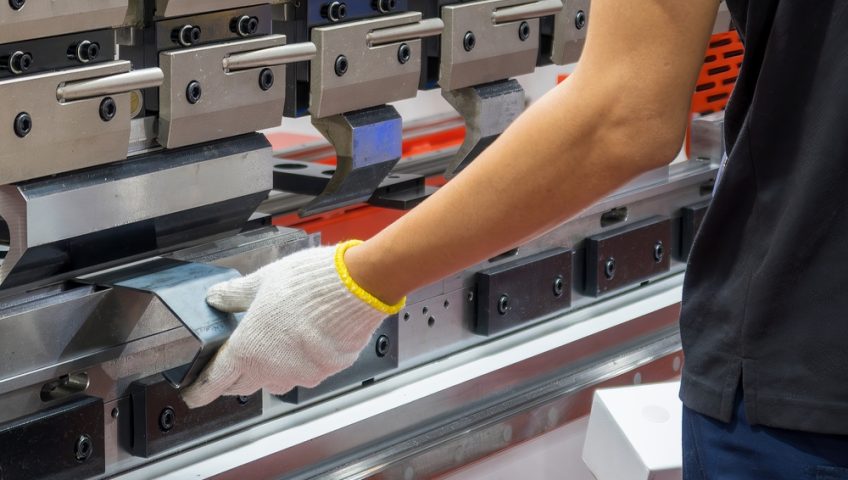
Close up of metal forming machine used by worker

What is Metal Forming and What is It Used For?

Metal forming is a manufacturing method that reshapes solid metal into useful parts by applying force, without adding or removing material. Because the metal bends and stretches instead of being cut, the finished piece retains its strength. For contractors and manufacturers across New England, this process turns flat sheet and plate into brackets, panels, channels, and other components built for real jobsite demands. At Markham Metals in Wilmington, MA, we pair quality metal supply with skilled forming so your parts arrive ready to install. Read on to learn how the metal forming process works, where it is used, which materials perform best, and how Markham Metals can help with our metal forming services in New England.

What is the Metal Forming Process?

The metal forming process uses pressure from machines and dies to permanently change a metal workpiece’s shape. Unlike cutting, forming moves the metal into a new shape while keeping it in one solid piece. Several common techniques fall under this category:

  • Bending: A press brake folds sheet or plate along a straight line to create angles, flanges, and channels.
  • Roll forming: Metal passes through a series of rollers that gradually shape it into long, consistent profiles.
  • Stamping: A die presses into the metal to punch, emboss, or shape detailed features in a single stroke.

Each technique suits a different part design, which is why the end use matters so much.

What is Metal Forming Used for in Construction, Automotive, and Aerospace?

Metal forming creates strong, precise parts for industries where safety and consistency are essential. The same core techniques adapt easily to very different demands.

  • Construction: Formed steel becomes framing, brackets, flashing, and supports that hold up against heavy snow loads and freeze-thaw cycles.
  • Automotive: Manufacturers rely on formed panels, chassis components, and mounting brackets that must fit together the same way every time.
  • Aerospace: Formed aluminum produces lightweight skins, ribs, and structural pieces that meet strict tolerances.

Forming also supports HVAC ductwork, equipment housings, and many customized metal parts for smaller shops.

Which Metals Work Best for Forming Projects?

Steel and aluminum are the most widely formed metals because they balance strength with workability. Ductility, thickness, and grade all affect how easily a material bends without cracking. Carbon steel offers toughness and value for structural work. Stainless steel adds corrosion resistance for outdoor, coastal, or sanitary settings.  Aluminum shapes easily and stays lightweight, which helps with handling and fuel efficiency. A knowledgeable metal supplier can match the right grade to your bend radius and final application.

How Do You Plan a Customized Metal Project?

You plan a customized metal project by defining your design, material, and timeline before production begins. A clear plan reduces rework and keeps costs predictable.

  • Share your drawings: Provide dimensions, tolerances, and bend angles so the shop knows exactly what you need.
  • Select the material: Choose a metal and thickness suited to the load, environment, and forming method.
  • Review the tooling: Confirm which technique will produce your shape most efficiently.
  • Approve a first piece: Check an initial part for fit before the full production run.

Following these steps helps your parts fit right the first time and keeps your metal fabrication schedule on track.

Contact Markham Metals About Metal Forming in New England!

As a family-owned, full-line metal service center in Wilmington, MA, we combine a deep inventory of steel and aluminum with experienced forming capabilities. Our team works with contractors, fabricators, and manufacturers throughout New England to turn plans into dependable, ready-to-use components. To learn more about metal forming and get started today, call Markham Metals at 978-658-1121 or fill out our contact form.

Metal beams used for construction project

How to Choose the Right Metal for Your Construction Project

The best metal for construction projects depends on your build’s demands, from load and weather exposure to budget and long-term maintenance. For contractors and manufacturers across New England, picking the right material shapes how safe, durable, and cost-effective your finished structure will be. At Markham Metals in Wilmington, MA, we help customers compare options every day so they can order with total confidence. Keep reading to learn how to weigh strength, corrosion resistance, weight, and cost, and how Markham Metals can help with our metal supply and metal fabrication in New England.

What is the Best metal for Construction Projects?

The best metal for a construction project matches your structural load, environment, and budget. There is no single answer, since each material brings different strengths. Steel offers unmatched strength for frames and supports, while aluminum keeps weight low without sacrificing durability. The right pick often comes down to how and where the finished piece will be used. Understanding a few core traits helps you narrow your options fast.

Which Types of Steel Work Best for Building Projects?

Steel is the go-to material for construction because it handles heavy loads and holds up under stress. Different grades suit different jobs, so knowing the options helps you order smarter:

  • HR carbon steel: Hot-rolled steel delivers toughness and value for structural beams and heavy equipment.
  • CF carbon steel: Cold-formed steel offers tighter tolerances and a cleaner finish for precise parts.
  • Galvanized steel: A protective zinc coating guards against rust, making it ideal for outdoor and wet settings.
  • Stainless steel: This grade resists corrosion while keeping the strength that steel is known for.

Choosing the correct grade keeps your project strong and reliable for years to come.

When Should You Use Aluminum Instead of Steel?

Aluminum is the better choice when reducing weight matters more than raw strength. It weighs far less than steel, which makes handling and installation faster on many builds. Aluminum also forms a natural oxide layer that resists corrosion, so it performs well in coastal New England conditions where salt and moisture are common. This lightweight metal works great for panels, trim, and framing that does not carry heavy structural loads. When you need durability without the added weight, aluminum earns its place on the job.

How Do You Match Metal to Your Project Environment?

Match metal to your environment by considering moisture, temperature, and load before you order. A few key factors guide a smart decision:

  • Weather exposure: Favor galvanized or stainless steel for outdoor builds that face rain, snow, and salt.
  • Load demands: Choose HR carbon steel for heavy structural work and frames.
  • Weight limits: Pick aluminum when lighter materials improve handling or performance.
  • Budget and finish: Balance upfront cost against maintenance and the look you want.

Working with a trusted metal supplier ensures you get material matched to your exact needs. Careful metal fabrication then turns that raw stock into parts that fit perfectly.

Metal Supply and Fabrication from Markham Metals in New England

We bring hands-on knowledge to every order, helping you compare grades and choose the material that fits your build best. Our team takes the time to understand your project so you get the right metal the first time. Learn more about our metal supply and fabrication services in New England and get started today by calling 978-658-1121 or by filling out our contact form.

Rolls of aluminum

Steel Vs. Aluminum: Which Material is Best for Your Project?

Steel vs. aluminum comes down to what your project needs most, whether that is raw strength, lightweight, or corrosion resistance. For contractors and manufacturers across New England, choosing the right metal affects cost, durability, and how well the finished product holds up over time. At Markham Metals in Wilmington, MA, we help customers weigh these options every day so they can order with confidence. Gain further insight below on how steel vs. aluminum compare on strength, weight, corrosion, and cost, and how Markham Metals can help with our steel and aluminum supply in New England.

What is the Main Difference Between Steel and Aluminum?

The main difference is that steel offers greater strength and durability, while aluminum is lighter and naturally resists corrosion. Steel is often the stronger choice for heavy loads and structural work, which is why builders rely on it for frames and supports. Aluminum weighs far less, so it works well when you need to reduce overall weight without sacrificing much strength. Both metals play a key role in modern metal fabrication, and the right pick depends on the demands of your specific application. Understanding these core traits helps you narrow down your options quickly.

Which is Stronger, Steel or Aluminum?

Steel is stronger than aluminum by both weight and volume, making it the go-to material for high-stress applications. That added strength comes in several forms, and each one suits different jobs:

  • HR carbon steel: Hot-rolled steel offers toughness and value for structural parts and heavy equipment.
  • CF carbon steel: Cold-formed steel delivers tighter tolerances and a smoother finish for precision components.
  • Stainless steel: This grade adds corrosion resistance while keeping the strength that steel is known for.

Aluminum still holds its own when strength-to-weight ratio matters most, but steel wins when load-bearing is the top priority.

Is Aluminum Better Than Steel for Corrosion Resistance?

Aluminum naturally resists corrosion because it forms a protective oxide layer the moment it comes into contact with air. This makes it a smart choice for coastal projects across New England, where salt and moisture degrade less durable materials. Steel can rust when exposed to those same elements, though stainless steel resists corrosion far better than standard grades. A trusted metal supplier can guide you toward the right finish or grade for wet and demanding conditions. Matching the metal to the environment protects your investment for the long haul.

How Do You Choose Between Steel and Aluminum for a Project?

You choose between steel and aluminum by looking at four key factors that shape the outcome of your work. Weighing these points helps you avoid costly mistakes and keeps your project on track:

  • Load and strength: Pick steel for heavy structural demands and aluminum for lighter builds.
  • Weight limits: Choose aluminum when reducing weight improves performance or handling.
  • Environment: Favor aluminum or stainless steel for wet, salty, or outdoor settings.
  • Budget and finish: Balance upfront cost against maintenance and the look you want.

When you match these needs to the right metal, you set your project up for lasting success.

Contact Markham Metals for Steel & Aluminum Supply in New England

Markham Metals is a family-owned metal service center in Wilmington, MA. We supply manufacturers and contractors throughout New England with high-quality steel and aluminum, as well as dependable metal fabrication support. Our team takes the time to understand your project so you get the right material the first time. Learn more about our steel and aluminum products and get started today by calling 978-658-1121 or by filling out our contact form.

Water jet cutter cutting metals

What is Water Jet Cutting Used For?

Water jet cutting is a precise fabrication method that uses a high-pressure stream of water, often mixed with an abrasive, to slice through metal and many other materials. For contractors and manufacturers across New England, this process offers clean edges and accurate results without the heat associated with other cutting methods. At Markham Metals in Wilmington, MA, we help customers use this technology to shape parts that meet exact specifications. Learn what water jet cutting is used for, how it works, what materials it can handle, and how Markham Metals can help with our metal fabrication services in New England.

What is Water Jet Cutting?

Water jet cutting is a process that uses a focused stream of pressurized water to cut through solid materials with great accuracy. The water moves at an extremely high speed, and for tougher jobs, a fine abrasive is added to boost its cutting power. This method is popular in modern metal fabrication because it produces smooth edges and does not require secondary finishing. Since the process keeps the material cool, it avoids warping or altering the properties of sensitive materials. That combination of precision and versatility makes it a go-to choice for many demanding projects.

How Does Water Jet Cutting Work?

The process works by pushing water through a small nozzle at very high pressure to create a concentrated cutting stream. When a job calls for harder materials like steel, an abrasive substance mixes into the water to grind through the surface. A computer-controlled system guides the nozzle along a programmed path, enabling intricate shapes and tight tolerances. The steps generally follow a clear order:

  • Design setup: A digital file maps out the exact shape and dimensions your project requires.
  • Pressurization: The system builds intense pressure to power the water stream through the material.
  • Guided cutting: The nozzle traces the programmed path, delivering accurate cuts on every piece.

This controlled approach helps you achieve consistent results across both simple and complex parts.

What Materials Can Water Jet Cutting Cut?

This method can cut a wide range of materials, which makes it one of the most flexible options available. Because it relies on pressure rather than heat, it works well on items that other tools might damage. Common materials include:

  • Metal: Steel, aluminum, copper, and titanium all cut cleanly with an abrasive stream.
  • Stone and glass: Delicate surfaces stay intact thanks to the cool cutting action.
  • Plastics and composites: Softer materials cut smoothly without melting or cracking.

That range lets you rely on a single process for many different jobs, saving time and simplifying production.

What Are the Benefits of Water Jet Cutting for Fabrication?

The biggest benefits are precision, versatility, and a clean finish that reduces extra work. Since the process creates no heat-affected zones, the material keeps its original strength around the cut. It also produces very little waste, which helps you make the most of your stock. Working with a knowledgeable metal supplier means you get parts cut to your exact needs the first time. Those advantages help keep your projects on schedule and your budget in check.

Water Jet Cutting Services From Markham Metals in Wilmington, MA

Our experienced team brings deep knowledge to every project, helping you turn detailed designs into finished parts with confidence. As a family-owned metal service center in Wilmington, MA, we serve manufacturers and contractors throughout New England with reliable cutting and metal fabrication support. We take the time to understand your goals, so you receive parts that fit your application perfectly. To learn more about our water jet cutting services and get started today, contact Markham Metals by calling 978-658-1121 or by filling out our contact form.

Stainless steel bar with water on it

Does Stainless Steel Rust?

Stainless steel can rust, but it resists corrosion far better than most other metals because of a protective layer that forms on its surface. For contractors and manufacturers across New England, knowing how this material holds up against moisture and harsh conditions helps you choose the right metal for the job. At Markham Metals in Wilmington, MA, we work with customers every day to match the correct stainless grade to their specific needs. Keep reading as we will discuss whether stainless steel rusts, what causes it to corrode, how to prevent it, and how Markham Metals can help with our stainless steel products in New England.

Does Stainless Steel Rust Over Time?

Stainless steel resists rust over time thanks to a thin layer of chromium oxide that shields the surface from moisture and air. This protective film repairs itself when scratched, which keeps the metal looking clean and strong for years. Still, the material is not completely rust-proof. Under the wrong conditions, even high-quality steel can develop spots of metal corrosion. The key is understanding what causes that breakdown so you can protect your investment from the start.

What Causes Stainless Steel to Corrode?

Stainless steel corrodes when its protective layer is damaged or exposed to aggressive elements for long periods. Several common factors break down that barrier and lead to corrosion metal issues:

  • Chlorides and salt: Coastal air and road salt, common across New England, can pit the surface and weaken the protective film.
  • Surface contamination: Contact with regular steel or iron particles can transfer rust onto an otherwise clean surface.
  • Standing moisture: Trapped water with little airflow gives corrosion a chance to take hold.

Knowing these triggers helps you store and handle the material properly before it ever reaches your project.

How Can You Prevent Rust on Stainless Steel?

You can prevent rust on stainless steel by choosing the correct grade and keeping the surface clean and dry. Routine care goes a long way toward extending the life of any stainless product. A few simple habits make a noticeable difference:

  • Regular cleaning: Wipe away dirt, salt, and debris so contaminants cannot settle into the surface.
  • Proper grade selection: Marine-grade options offer stronger protection in wet or coastal environments.
  • Careful handling: Keep stainless steel separate from carbon steel during metal fabrication to avoid cross-contamination.

When you pair the right grade with smart maintenance, you get a durable material built to last.

Choosing the Right Stainless Steel Grade

Choosing the right grade matters because each one offers a different balance of strength, finish, and corrosion resistance. A part used indoors has very different demands than one exposed to weather or chemicals. Working with a knowledgeable metal supplier ensures you get a product matched to your environment and budget. The correct choice reduces maintenance, prevents early failure, and keeps your projects running smoothly. That guidance is exactly what separates a quick purchase from a smart long-term decision.

Get Quality Stainless Steel Products from Markham Metals in New England

We bring years of hands-on experience to every order, helping you select stainless steel products that withstand the demands of your work. As a family-owned metal service center in Wilmington, MA, we supply manufacturers and contractors throughout New England with quality steel and reliable metal fabrication support. Our team takes the time to understand your project so you get the right grade for the right application. Contact Markham Metals about our stainless steel products by calling 978-658-1121 or by filling out our contact form.