
What is Metal Forming and What is It Used For?
Metal forming is a manufacturing method that reshapes solid metal into useful parts by applying force, without adding or removing material. Because the metal bends and stretches instead of being cut, the finished piece retains its strength. For contractors and manufacturers across New England, this process turns flat sheet and plate into brackets, panels, channels, and other components built for real jobsite demands. At Markham Metals in Wilmington, MA, we pair quality metal supply with skilled forming so your parts arrive ready to install. Read on to learn how the metal forming process works, where it is used, which materials perform best, and how Markham Metals can help with our metal forming services in New England.
What is the Metal Forming Process?
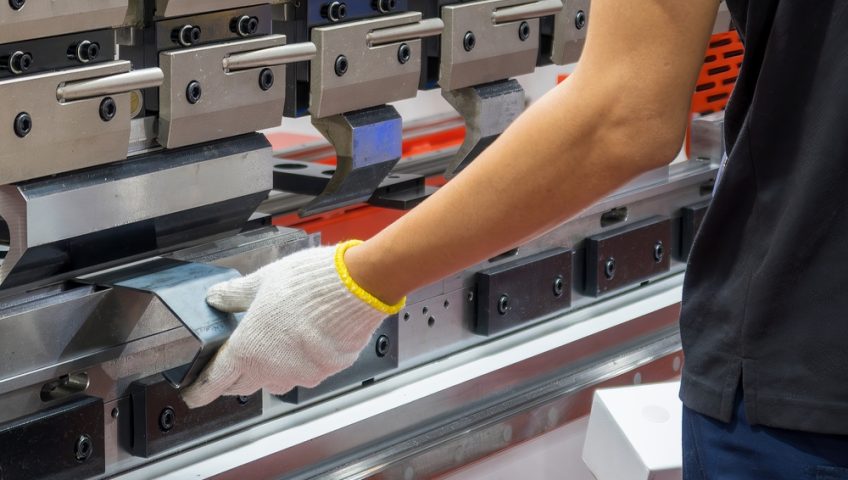
The metal forming process uses pressure from machines and dies to permanently change a metal workpiece’s shape. Unlike cutting, forming moves the metal into a new shape while keeping it in one solid piece. Several common techniques fall under this category:
- Bending: A press brake folds sheet or plate along a straight line to create angles, flanges, and channels.
- Roll forming: Metal passes through a series of rollers that gradually shape it into long, consistent profiles.
- Stamping: A die presses into the metal to punch, emboss, or shape detailed features in a single stroke.
Each technique suits a different part design, which is why the end use matters so much.
What is Metal Forming Used for in Construction, Automotive, and Aerospace?
Metal forming creates strong, precise parts for industries where safety and consistency are essential. The same core techniques adapt easily to very different demands.
- Construction: Formed steel becomes framing, brackets, flashing, and supports that hold up against heavy snow loads and freeze-thaw cycles.
- Automotive: Manufacturers rely on formed panels, chassis components, and mounting brackets that must fit together the same way every time.
- Aerospace: Formed aluminum produces lightweight skins, ribs, and structural pieces that meet strict tolerances.
Forming also supports HVAC ductwork, equipment housings, and many customized metal parts for smaller shops.
Which Metals Work Best for Forming Projects?
Steel and aluminum are the most widely formed metals because they balance strength with workability. Ductility, thickness, and grade all affect how easily a material bends without cracking. Carbon steel offers toughness and value for structural work. Stainless steel adds corrosion resistance for outdoor, coastal, or sanitary settings. Aluminum shapes easily and stays lightweight, which helps with handling and fuel efficiency. A knowledgeable metal supplier can match the right grade to your bend radius and final application.
How Do You Plan a Customized Metal Project?
You plan a customized metal project by defining your design, material, and timeline before production begins. A clear plan reduces rework and keeps costs predictable.
- Share your drawings: Provide dimensions, tolerances, and bend angles so the shop knows exactly what you need.
- Select the material: Choose a metal and thickness suited to the load, environment, and forming method.
- Review the tooling: Confirm which technique will produce your shape most efficiently.
- Approve a first piece: Check an initial part for fit before the full production run.
Following these steps helps your parts fit right the first time and keeps your metal fabrication schedule on track.
Contact Markham Metals About Metal Forming in New England!
As a family-owned, full-line metal service center in Wilmington, MA, we combine a deep inventory of steel and aluminum with experienced forming capabilities. Our team works with contractors, fabricators, and manufacturers throughout New England to turn plans into dependable, ready-to-use components. To learn more about metal forming and get started today, call Markham Metals at 978-658-1121 or fill out our contact form.